If you’re asking where do I register my dog in Lemhi County, Idaho for my service dog or emotional support dog, the most important thing to know is this: a dog’s legal status as a service dog (or an emotional support animal) is different from a dog license in Lemhi County, Idaho. Licensing and animal control rules are typically handled locally—often by a city office (for dogs living inside city limits) and/or by a county law enforcement or animal control authority (for dogs in unincorporated areas).
This page explains where to register a dog in Lemhi County, Idaho, how local licensing commonly works, what to do about rabies documentation, and what you should (and should not) expect when your dog is a service dog or emotional support animal.
Where to Register or License Your Dog in Lemhi County, Idaho
Because licensing and enforcement are often handled at the county or city level, start with the offices below. They are commonly involved in dog-related enforcement, animal complaints, and local administrative questions in Lemhi County.
Lemhi County Sheriff’s Office
City of Salmon (City Hall / City Offices)
Lemhi County Humane Society (Salmon Animal Shelter)
Overview of Dog Licensing in Lemhi County, Idaho
Dog licensing is usually local (city-by-city and county-by-county)
In Idaho, there isn’t one universal “state dog registration” that covers every resident dog in every county the same way. Instead, requirements often come from local ordinances (city code or county code) and are enforced locally. That’s why the right answer to where to register a dog in Lemhi County, Idaho can depend on whether you live:
- Inside an incorporated city (for example, within Salmon city limits), or
- In unincorporated Lemhi County (outside city limits), where county-level enforcement is typically involved.
What a “dog license” usually does
A local dog license (sometimes called a dog tag) is typically a local administrative record that connects a dog to an owner and address. Where required, the license/tag may help with:
- Returning a lost dog faster
- Showing compliance with local rules (especially if animal control responds to a complaint)
- Supporting public health tracking for bite incidents and rabies control procedures
Rabies documentation is commonly tied to licensing and enforcement
Even when a city or county does not have a broad licensing program, rabies control rules and bite/quarantine procedures still matter. The State of Idaho also notes that while there is no state-level vaccination mandate for pets, cities and counties may impose their own requirements, and it is recommended to keep pets up to date. Additionally, Idaho requires rabies vaccination for dogs and cats 12 weeks and older being imported into Idaho.
How Dog Licensing Works Locally in Lemhi County, Idaho
Step 1: Identify which jurisdiction applies to your address
The first step is confirming whether your home is within city limits (where the city may set licensing/tag rules) or in the unincorporated county (where county enforcement may apply). This is why many people searching “animal control dog license Lemhi County, Idaho” are really trying to find the correct office for their location.
If you’re unsure, call the Lemhi County Sheriff’s Office and ask who handles dog licensing, dog-at-large complaints, and rabies enforcement for your exact address.
Step 2: Ask whether your area requires a license or tag (and what proof is needed)
Where a license is required, an office may ask for certain basics before issuing a license/tag (or before resolving a complaint without a citation). Common examples include proof of rabies vaccination, owner ID, and a local address. Requirements can vary by city and can change over time, so always confirm locally.
Step 3: Understand rabies requirements and bite procedures
Even if you’re primarily focused on registering your service dog or ESA, rabies rules still apply. If a dog bites or potentially exposes a person to rabies, Idaho administrative rules address confinement/observation procedures (often called a “10-day observation” for healthy domestic dogs, cats, and ferrets after an exposure).
Step 4: Keep records accessible (especially if you travel or rent)
Keep digital and paper copies of vaccination certificates and any license/tag receipt. This is especially helpful when moving between jurisdictions, renewing a license, traveling, or responding to landlord/insurance requests.
Service Dog Laws in Lemhi County, Idaho
Service dog status is not created by a “registration”
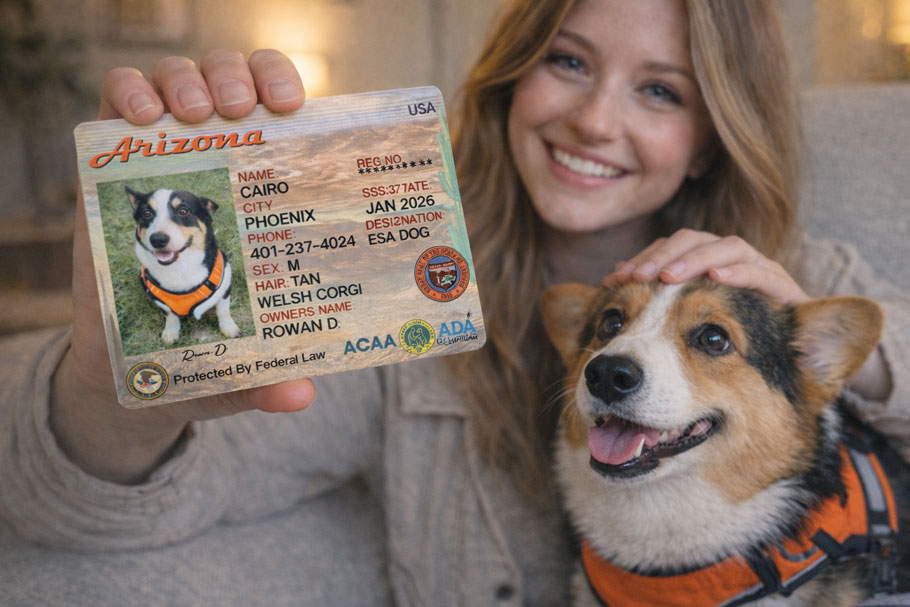
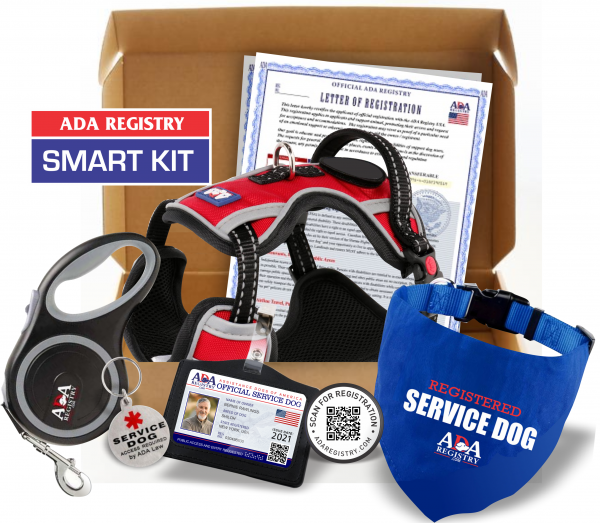
A service dog is generally defined by training and function—the dog is trained to do specific work or tasks for a person with a disability. There is no single official “service dog registry” that you must use to make a dog legitimate. Be cautious of any paid “instant registration” that promises legal status; those are not government licensing offices.
A service dog can still need to follow local animal control and public health rules
Even when a dog is a service animal, local rules like leash control (when applicable), nuisance rules, and public health rules can still apply. So, if your address is in a place that requires a dog license in Lemhi County, Idaho (or a city dog license), you should ask the local office whether service dogs are exempt from licensing fees or licensing itself (policies vary by jurisdiction).
What offices can ask about your service dog
While the rules can be nuanced depending on the setting, “proof” documents from third-party registries are not the standard. If you’re dealing with housing, employment, or public access questions, focus on the dog’s training/task role and on staying compliant with local health requirements such as rabies documentation and any local licensing/tag requirements.
Emotional Support Animal Rules in Lemhi County, Idaho
An ESA is different from a service dog
An emotional support animal (ESA) provides comfort by its presence, but it is not necessarily trained to perform specific tasks related to a disability. This distinction matters because an ESA does not automatically have the same public-access permissions as a trained service dog.
ESAs and local licensing
If a city or county requires licensing for dogs, an ESA is typically treated like any other pet for licensing purposes. That means the right “registration” path is usually the same answer as where to register a dog in Lemhi County, Idaho for any dog: confirm your jurisdiction (city vs. county), then follow the local licensing/tag steps and keep rabies documentation current.
ESAs in housing vs. “registration” cards
For many people, the ESA question is really a housing question. Housing-related documentation is generally about verification of need and disability-related accommodation—not about buying a registry card. Regardless, your dog still needs to comply with local animal rules (vaccination, nuisance, and any licensing requirements).
Frequently Asked Questions
- Dog license: A local registration/tag required by a city or county ordinance (where applicable). It helps identify ownership and may require proof like rabies vaccination.
- Service dog: A dog trained to do specific tasks for a person with a disability. Legal status comes from training and function, not from a paid registry.
- Emotional support animal (ESA): An animal that provides comfort by presence; typically not task-trained like a service dog and generally does not have the same public-access rules. Licensing rules usually follow the same local pet licensing requirements.
Next Steps for Lemhi County Residents
To quickly resolve where to register a dog in Lemhi County, Idaho (including a service dog or ESA), use this checklist:
- Confirm whether you live in city limits (such as Salmon) or in unincorporated Lemhi County.
- Call the appropriate office and ask if a license/tag is required for your address and how to apply.
- Prepare rabies documentation and any requested ID/residency proof.
- Keep copies of paperwork accessible for renewals, travel, or housing needs.